
There was a time when a single television broadcast could stop a nation in its tracks.
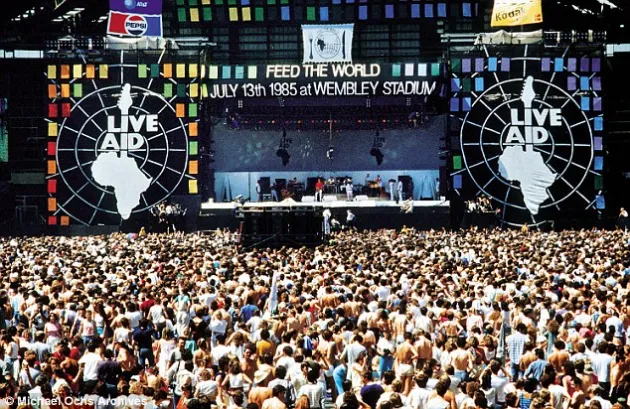
In 1985, millions of people watched children starving in Ethiopia through the lens of the Live Aid appeal. People didn’t just notice it, they felt it. The images were shocking because most had never seen suffering on that scale before. There was only a handful of television channels at the time; no social media platforms competing for our attention. Families watched it together, talked about it together, and reached for the phone – because doing nothing felt heartless.
Forty years later, the world is very different. That doesn’t mean people care less…in fact, most people still care deeply when they hear about someone struggling. We see it every day at the Foundation. People donate clothes after a clear-out, businesses sponsor community projects, neighbours help neighbours, and volunteers give up evenings and weekends without ever seeking recognition. Compassion hasn’t disappeared – what’s changed is the environment people are trying to process that compassion in.

In 1985, a major appeal interrupted normal life. In 2026, hardship has become part of the wallpaper. We scroll past war footage while waiting for a takeaway to arrive. We hear about homelessness between adverts for holidays and trainers. A fundraising appeal can appear in the same social media feed as football highlights, celebrity gossip, political arguments and someone’s holiday photos. The human brain was never designed to absorb this much emotion, tragedy and urgency all at once.
Eventually, people start protecting themselves from it. Not because they’re cold-hearted, but because constantly feeling responsible for every crisis, everywhere, becomes exhausting. When people are faced with too much sadness too often, they take a step back emotionally. They stop opening posts of that kind. They avoid charity adverts on television. Some switch off entirely because it starts to feel relentless.
Additionally, people are struggling themselves. The cost of living has changed how many families think about money. Even those who are working full-time are often counting every pound. Energy bills, rent, mortgages and food prices have risen sharply over the last few years, and for some households, there’s simply less left at the end of the month. Supporting a charity can feel like something you’ll do when life is stable, rather than something occurring naturally in everyday life.
Over the years, stories about large organisations mishandling money and aggressive fundraising tactics have made some people more sceptical. Quite rightly, people want to know exactly where their money is going and who it’s helping before they part with it. It’s understandable – people work hard for what they earn.
The challenge for charities is that all of this can slowly create a culture of emotional fatigue. If every cause is presented as urgent, people begin to lose the ability to distinguish between what genuinely needs support now and what feels like background noise. For charities, this shift, this numbness, can have real consequences. Small local organisations like ours have to fight harder for attention and funding, at the same time as demand for our services increases.
Undoubtedly, in 2026, people are more hesitant to donate. This is why we promote connection, trust and authenticity. Where possible, we tell you about the person behind the story. We try to show local impact, which isn’t difficult, because every penny of our support solely helps people across the Wakefield District. This might be a neighbour receiving a bed, a family moving into a safe home, an older person learning how to avoid online scams — these stories feel real because they are real.
We know more than most that support doesn’t have to be huge to matter. A donated kettle. An hour of volunteering. A conversation. A business sponsoring a local initiative. A few pounds placed into a collection tin by someone who doesn’t have much themselves….these things still count.
The biggest difference between 1985 and 2026 is not that compassion has disappeared. It’s just become harder for it to break through the noise.
